Throwback: Meeting Notes 17th May 2025
We could think of aromanticism in this particular instance not as a theme or as a genre but rather as strategy – to live a life or tell a story that doesn’t have the insistence the romance genre has on partnerships at all.

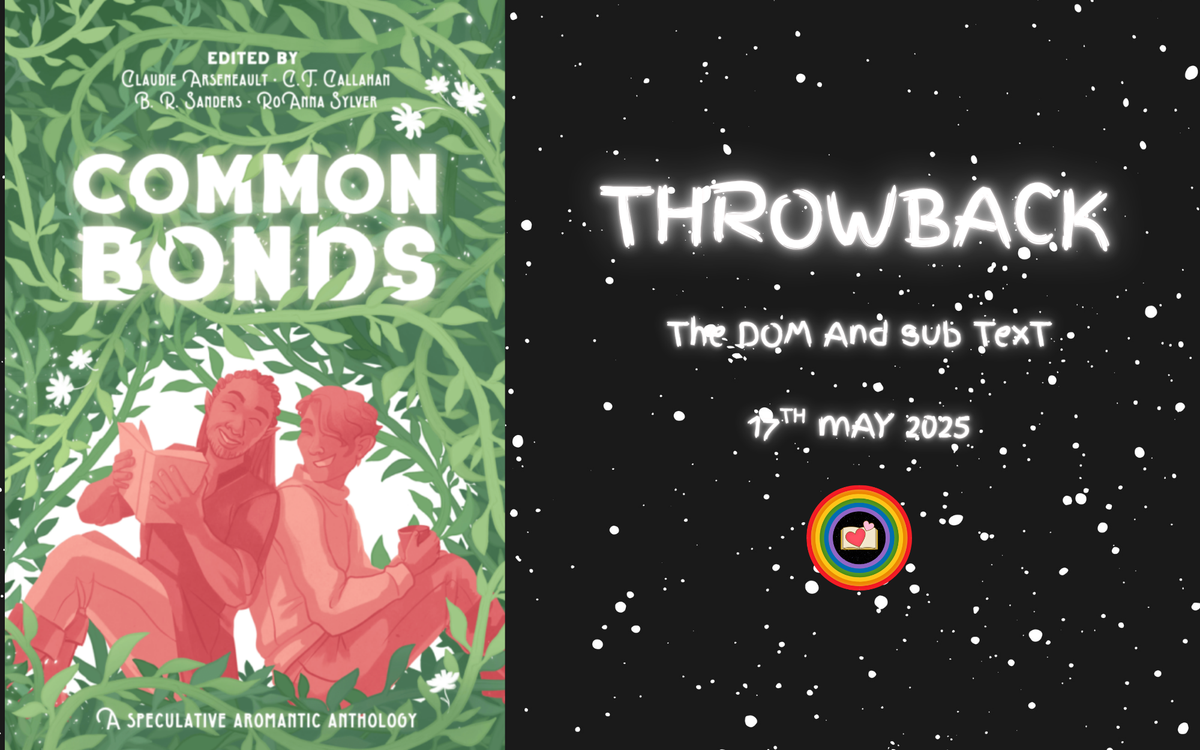
I'm slowly porting all the meeting minutes to this blog. This is the first reason I started this blog at all — to have a record of these conversations. A big WE WERE HERE.
Blurb About etc
Common Bonds is an anthology of speculative short stories and poetry featuring aromantic characters. At the heart of this collection are the bonds that impact our lives from beginning to end: platonic relationships. Within this anthology, a cursed seamstress finds comfort in the presence of a witch, teams of demon hunters work with their rival to save one of their own, a peculiar scholar gets attached to those he was meant to study, and queerplatonic shopkeepers guide their pupil as they explore their relationship needs and desires. Through nineteen stories and poems, Common Bonds explores the ways platonic relationships enrich our lives.
Caveat Lector: the QRB book club is a place for our subjective opinions, and our opinions tell you a lot about us, and less about the book. This is not a "Read this book" or a "Don't read this book", it has no critical weight — this is an archive, a summary, a shadow puppet of a two-hour + dinner discussion.
The Introduction
Our notes, incomplete, scattered, with suspicious stains in several places, possibly from dinner, where the discussion continued on:
Some of us felt that the collection actually didn’t focus enough on aromanticism itself – exploring feelings or thoughts around it. Some of the stories don’t even mention it, or mention it in passing, while focussing on familial relationships. (“I’m glad you’re getting along with your supervillain sister but can we talk about aromanticism for a moment?” Also, most of the MCs were in the “I know what I am” phase of aromanticism, so there was no exploration of “how do I know what I am”.
Counterpoint: by definition of being in the collection, the stories are aromantic, and all of them focus on relational dynamics or relationships of some sort. The absence of romance is seen as much by the lack of thinking about it as in the formation of non-romantic bonds. I guess there’s room, when you take away the heft of romance privileging, so other relationships take up space.
We could think of aromanticism in this particular instance not as a theme or as a genre but rather as strategy – to live a life or tell a story that doesn’t have the insistence the romance genre has on partnerships at all. Think Borges’ The Garden of Forking Paths, where the story is about what is not in the story!
That said, some of the stories in the collection do have aromantic life partnerships or the beginnings of such partnerships — The Aromatic Lovers, Moon Sister , Would You Like Charms With That, A Full Deck, Half a Heart, Seams of Iron.
I mentioned that I read some of the stories and thought: “In a different collection, exactly as this is, this would be a romance” – so what is the difference between, say, a romantic life partnership and an aromantic life partnership? Really and truly at its core? It’s still love, right? Once the lesbian bed death sets in, the excitement and newness and passion die down, how is the love different? How is the partnership different? A friend had shared that the difference between different types of love was in how you fight in each relationship – we all pondered this wisdom.
Love is easy, actually.
(It’s everything else that’s hard).
As an aside, I was really reminded of the discussions we had when we read Ace by Angela Chen in Jan ‘24
Conversely, we have read and watched stories which would have been beautiful lifelong friendships but which shoehorned a romance in at the last minute – Avatar the Last Airbender (original cartoon) (he is twelve! Or one hundred and twelve! Let them be friends a bit longer before they have to be “IN love”), Pacific Rim, Shape of Water. (Guillermo del Toro as a repeat offender)
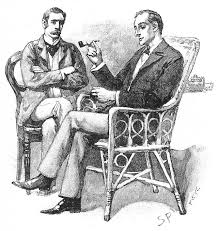
Some fictional friendships which could be read as aro partnerships lifelong – Holmes and Watson, someone in Fullmetal Alchemist. Other films/shows: that got recommended: Penguin Bloom, Tales in the City (on Netflix and Prime, based on the Armistead Maupin books), A Secret Love, The Octopus Teacher. Literature recs: The Book of Queer Saints, Unmasking Autism, Always Human
These discussions on ace and aro-ness are gateway discussions to relationship anarchism! We didn’t actually go through the gateway though. Some other time.
Overall, we enjoyed the collection, for the stories, for the discussion, for the content warnings page (so considerate!) and for the subject matter.
The Stories
The Aromatic Lovers: The most divisive story in the collection, with some of us seeing it as fascinating and interesting, and others as oppressive and sort of defeatist. Animated argument and discussion.
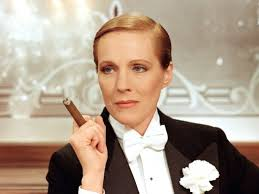
People who didn’t hate it: The story shows a social analogue of the rigid sexual/gender expressions in the real world, with smell/fragrance taking the communicative space instead of visual/clothing/behaviour. The main character gets to have a way to express themselves in that space without having to be sensorily assaulted by the other peoples expression – the alchemist’s gift to them is one of KNOWING them, and allowing them to unmask instead of having to wonder what to say. (p.S. Imagine Victor and Victoria in this world!)
People who hated it: The rigid gender expressions of the society are not only rigid but you have to go to someone else to create the gender expression for you, which already reduces your agency. The main character isn’t getting to express themselves but is in fact reduced to having to be expressive at all and this is in fact forcing them to mask. This isn’t radical or disruptive but just sitting within the culture.
Perhaps it’s not the best storytelling – I think maybe it would have worked better in a series of stories set in that culture? But it’s an interesting concept of gender outside of bio-essentialism and, and with fluidity.
Voices in the Air: An interesting story but not necessarily Aromanticism heavy. An interesting parallel with Not to Die, where there’s the Aro MC, the Aro MC’s Brother, and the woman whom both of them know and becomes the Brother’s partner. Both these stories carry a tension in the relationships but in very different ways, with very different griefs. It also reminded me of one of the Wayward Children stories (In an Absent Dream, where the door leads to a Goblin Market)
Moon Sisters: Possibly one of the best stories in the collection, showing a chosen family, aromantic life partners in the pack, the non-competition of romantic relationships and the give and take of aro/ro characters in a life partnership. Much much better than Shift, another werewolf story in the collection, but which we shall admit has an interesting idea of how we approach our loved ones to say we know them.
Cinder: The gig economy in a fairy tale! Fun, disability rep, disability agency rep, just go getter main characters who know what they want and what they need to get it. RIP prince charming though
Not Quite True Love – the best poem in the collection!
Draconmort Council of Human study: This could have been longer, but was very very readable and fun, with great worldbuilding. We did horrify one of us because we called the main character an intern instead of a full fledged ethnographer but also they did run away from academia to live with the natives which feels very youth. Reminded us of the folk stories on tumblr – which was linked by Diane Duane!
Would You Like Charms with That: Actively explores an aromantic life partnership, but some of us rejected it as too textbook. We’re so Goldilocks!
Poems: In the Summer a Banana Tree and Remembering the Farm: I think we discussed this more for their feeling out of place almost (one is about a dog, one is about a father, both the dog and father are dead)
Fishing over the bones of dragons: Interesting, heavy. A sex neutral ace/aro (possibly trans) person is kidnapped by fairies and kept for a hundred years/a year and a day. By the time they’re free they’re traumatised, changed, sex repulsed — and their father slowly breaks the silence of his own kidnapping and capture, decades ago. The only story that talked about assault, but also about cultural silence around some kinds of assault.
Asteria III – another story about fathers, interesting SFF, not really a highlight
A Full Deck: Another of the best stories in the collection! Fun, plotty, with different types of aromanticism, a really really interesting trans masc character (slutty twink energy), a sweet demiromantic character (and a mean incubus) and the potential for chosen family, where things are not easy. Reminded us of the poem “A Prude’s Manifesto” by Cam Awkward-Rich
Half a Heart: Absolutely the most beautifully written story here, and possibly the cover is referring to this. Eco beautiful, heart beautiful. Aromantic story with so much love.
Discography:– we loved this poem too, and it reminded us of the movie Kedi, about cats in Istanbul.
Seams of Love: A take on the The Wild Swans (with the princess who has to weave with nettle to save her brothers) except here she’s not their sister and she’s unfairly cursed. This story reminded us of Howl’s Moving Castle! Notes on sorceresses who do collective punishment: No! Bad!
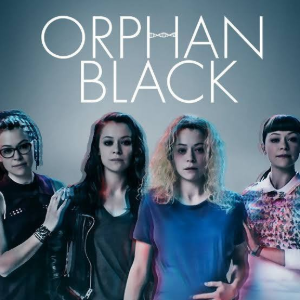
Busy Little Bees: Okay, first of all this reminded me of Orphan Black and should be made into a larger novel. Secondly it is super lovely because it is found family and chosen family and bio family and also rejection and weirdness. Thirdly not everyone had read it so I was like READ THIS even though actually they should read everything — even the poem about the dog, because it made us think/wonder.
The End.
Since that is all I remember. My fountain pen has a beautiful ink which is really difficult to read in dim light, too.