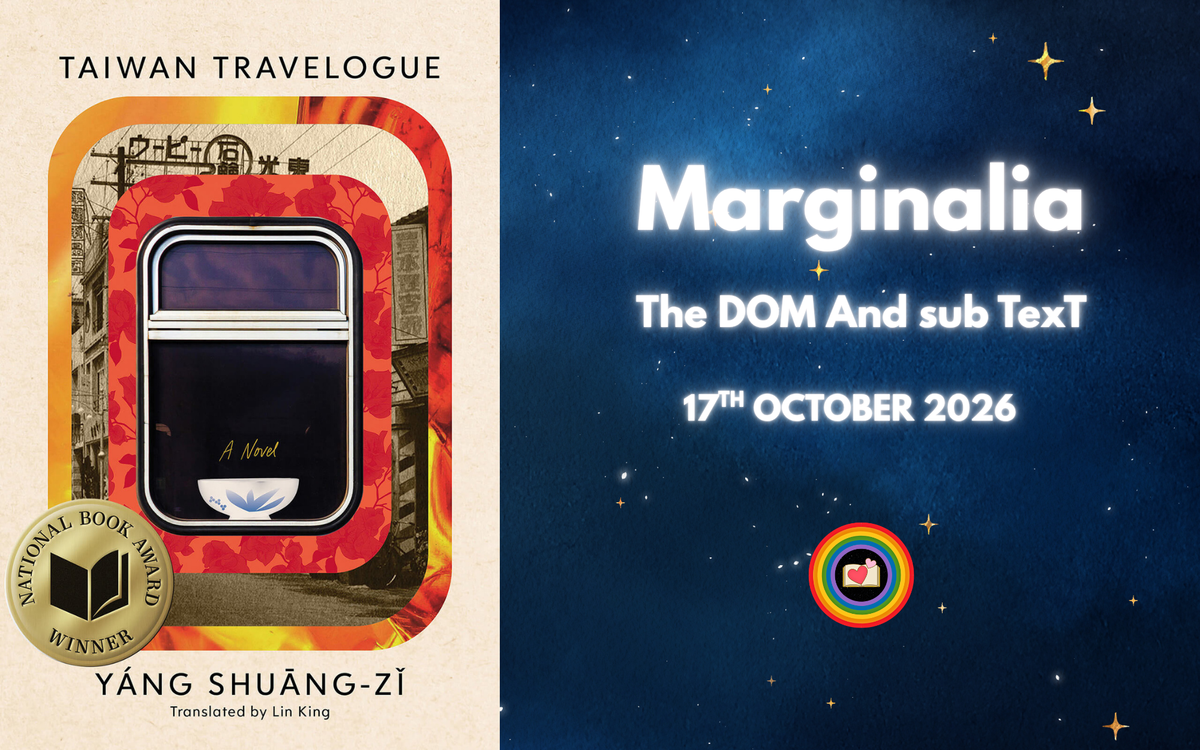
QRB Meeting Notes: 17th October 2026
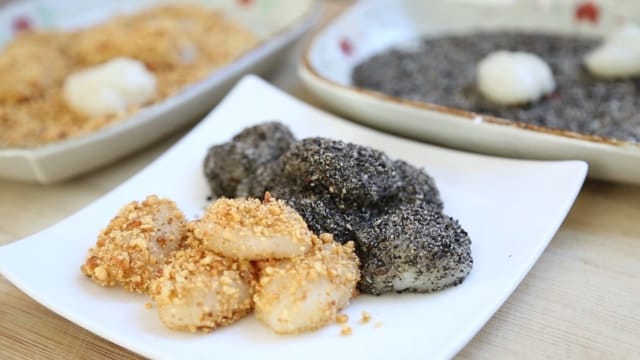
The food description was fabulous, the romance was slow burn & tension filled, and the travel within the plot was immersive...
Hello! Putting some stuff in quotations to directly quote attendees. We had 9 people in attendance at Atta Galatta. 6 : 3 - had finished the book : still reading.
- One of us had read via audiobook & mentioned the voice of Aoyama-san sounded really upbeat and sitcom-like, which could track with reddit lore I've seen that the Mandarin novel (2020) is more lighthearted & yuri in tone (I also saw a lot of goodreads reviews where people disliked the audiobook for this reason. Did you consume this one via audiobook? Tell us in the comments!)
- Another note on the audiobook: It does not contain the footnotes which takes away some of the food lore/enjoyment of the same.
- The overall view was: The food description was fabulous, the romance was slow burn & tension filled, and the travel within the plot was immersive ("would like to spend another year in the world of the book") while still asking "difficult questions without easy answers" - "makes you uncomfortable"... building to the end where the book changes perspectives and gives you a sense of mental whiplash
- 4-5 chapters in: The slice of life of it! Already 6 months of plot has happened and they have their mundane routines with each other <for ease I will call Aoyama Chizuko: A-san & Ōng Tshian-hòh: C-chan>.
- The joy of the footnotes: how much context they give you, are allowed to take up space on the page, not relegated to the end of the book.
- Some people had referred back to the map, floor plan & illustrations at the front of the book while reading to keep up with their travels and really set the scene.
- We didnt talk about the second half at all, things we can discuss in the comments: Sparrow & ōzawa, Mishima-san's role at the end, the noh mask persona, caste and C-chan... I would also love to know what food made people the most hungry!
- Some discussion of how many people knew about the fake translation meta-conceit of the novel - it is actually a fictional work written in 2020, translated im 2024.
- We wondered: is it authentic to the time period - women travelling alone, having as much agency as they have - or is it because A-san is considered eccentric/has patronage as a writer?
- Free wheeling chat on Japan as an imperialist power with a great PR machine. Do we think about water torture? or Hello Kitty? Vs. America's image lately, blinkers off: we see the empire with its clothes off, in decline. (Who else had great PR: the Romans)
- Perception of Japanese vs. Taiwanese writers historically: Japanese writers thinking Taiwanese writers were doing gritty realism while actually the Taiwanese writers were not writing about reality (colonial rule) but writing family dramas and brothers feuding kind of plots.
- The complexity of acknowleding the physical colonisation of a space by bringing in non native cherry trees and A-san appreciating nature as beautiful despite this.
- "Beauty is political" - through whose eyes do we see a situation: the ruined bridge near the start of the book - is it pictureque vs. a history of change.
- I learned a lot of history! Additonal reading, see colonisation of Okinawa, land reclamation in Japan turning islands into a continous mass of land, beginning as early as the 17th century.
- Language imposition as a colonisers tool: they made Japanese the "national language", indigenous people who dont speak it even today are treated like inferior citizens (can be seen in many nation states, another example discussed being France)
- We got away from the book and into contemporary politics: General discussion of modern day empire - we hate America, Taiwan v. China, China building an island?? For wartime reasons?
- Queerness & Gender Roles: looking at A-san (through sheer dumb luck of being born japanese) as "the incompetent husband", she writes all day all day while C-chan cooks and caters to every whim (In A-san's mind a sort of "manic pixie dream girl figure")... their relationship as "queer theatre": butch & femme...
- "Don't be proud of it!" Re: A-san taking a long time to slowly peel one fruit :D
- Imagining a post-gender world: Does this mean commune living with floating roles (work v. housework)? Or in a two person relationship - one person may want to be the alpha in a particular situation... and the other takes on the omega role (note: not omegaverse/werewolf usage of the terms, more like "carl jung: anima/animus") and can flow between the roles to avoid relationship burnout. The roles of wife or mother need not be tied to gender, but anyone doing the work of nurturing feels "motherly" (looking at cooking as a way of showing care, shelling boiled peanuts/longans - relatable "mothering" behaviour).
- Comment on the sashimi chapter: when someone points out to A-san that C-chan is doing multiple jobs, not just an interpreter role... and A-san doesnt even think of getting her more pay, just treats her to sashimi! This is when I was first hit by the power imbalance/implicit coloniser vs. colonisee/colonised dynamic.
- The formality of japanese honorifics and the usage of "chan" itself being intimate & consentual.
- "Mujse frandship karoge?" Are we friends? And the repeated asking of it...
- Things I forgot I wanted to say in the meeting: how the footnotes saying this is the Japanese pronunciation of this and that reminded me of the British adopting/somewhat butchering words like: kismet, tiffin, muligatawney...
Additional content mentioned during the discussion:
- "Japan kinda sucks": The Handmaiden, Pachinko, Millennium Actress
- Food themed graphic novels: Rare Flavours - Filipe Andrade and Ram V, The Delicacy - James Albon
- Anime: bungo stray dogs
- Essay: High Femme Camp Antics, I Want a Wife
- Chappell Roan (as high femme)
- Poem: The Applicant - Sylvia Plath